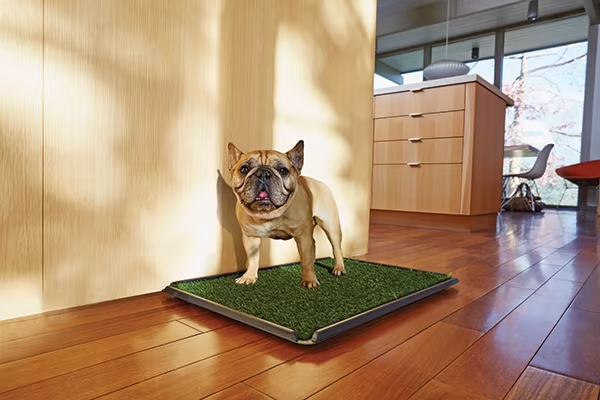
New pet parents should expect to spend ample time on training. This includes potty training, crate training and teaching new cues. Follow these tips for successful puppy training.
Always use positive reinforcement. Never hit your puppy when they do something wrong. Reinforcing with force can cause fear in your puppy and will not help them learn. Instead, use positive reinforcement methods, and reward your puppy with treats or praise when they do something that you ask them to do. This includes going to the bathroom outside, learning a new trick or walking politely on their leash. Staying positive will help your puppy learn behaviors quickly and effectively.
Socialize your puppy. Socialization is important for all puppies. As your puppy obtains the proper vaccinations, slowly start exposing them to different situations and new pets and people. Keep initial interactions short and build up to longer playdates. When socializing your puppy with new pets and people, always keep a close eye on them to avoid negative interactions and experiences.
Learn about dog body language. Talk to a dog trainer and brush up on dog behavioral cues and body language. Not only will this help you identify when your own puppy is uncomfortable or starting to get agitated, you’ll be aware of the body language of other dogs, too. This can help you intervene before interactions between dogs take a negative turn.
Be consistent in your training routines. Puppies thrive on routines, especially when it comes to potty training and learning new things. Repetition and consistency are key. Dedicate time to training every day in order to help your puppy learn.